Call Us At: +84 905 447 004 or +84 977 39 43 43 | Email : info@vietnamtur.viajes
Call Us At: +84 905 447 004 or +84 977 39 43 43 | Email : info@vietnamtur.viajes

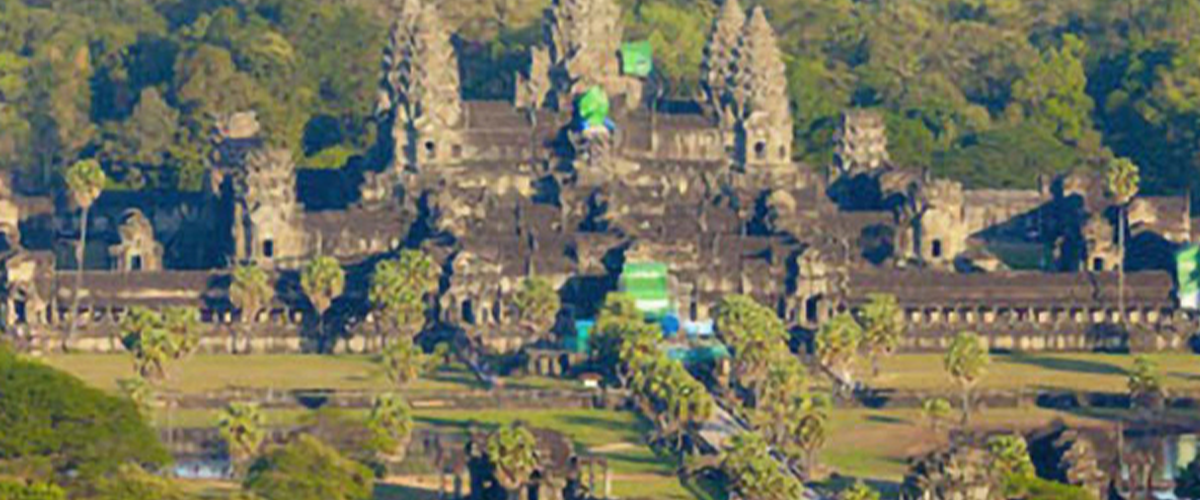
Located near Siem Reap, Angkor Wat is one of the world’s most iconic historical and spiritual landmarks. Recognized as a UNESCO World Heritage Site, Angkor Wat is the largest religious monument on Earth and the crown jewel of the ancient Khmer Empire.
Famous for its magnificent architecture, intricate stone carvings, towering spires, and breathtaking sunrise views, Angkor Wat attracts millions of visitors each year from around the globe.
Whether you are passionate about history, photography, culture, spirituality, or architecture, Angkor Wat offers one of Southeast Asia’s most unforgettable travel experiences.
✔ The world’s largest religious monument
✔ UNESCO World Heritage Site
✔ Spectacular Khmer architecture
✔ Incredible sunrise and photography opportunities
✔ Rich history and spiritual significance
✔ Ancient temple exploration and cultural discovery
✔ One of Asia’s greatest archaeological wonders
Built during the early 12th century under King Suryavarman II, Angkor Wat was originally constructed as a Hindu temple dedicated to Vishnu before gradually transforming into a Buddhist temple.
The temple complex covers more than 160 hectares and is surrounded by a massive moat and impressive stone walls.
Angkor Wat is renowned for:
Today, Angkor Wat stands as the national symbol of Campuchia and appears on the Cambodian flag.
Angkor Wat was built during the golden age of the Khmer Empire, one of Southeast Asia’s most powerful civilizations.
The temple complex represented:
Over centuries, the site survived wars, jungle overgrowth, and natural deterioration before becoming one of the world’s most important archaeological treasures.
Today, Angkor Wat remains an active Buddhist religious site and one of the world’s most visited cultural landmarks.
Angkor Wat experiences a tropical climate with warm temperatures year-round.
| Season | Months | Highlights |
|---|---|---|
| Dry Season | Nov – Apr | Best for temple exploration |
| Rainy Season | May – Oct | Lush greenery & dramatic skies |
Best Time to Visit
November to February offers cooler weather and ideal sightseeing conditions.
Sunrise visits are highly recommended and are among the most famous experiences in Cambodia.
Central Temple Complex: The heart of Angkor Wat featuring its famous towers, galleries, and sacred courtyards.
Highlights
✔ Iconic Khmer architecture
✔ Sacred towers and galleries
✔ Ancient carvings and sculptures
✔ Panoramic views from upper levels
Bas-Relief Galleries: Angkor Wat features some of the finest stone carvings in Southeast Asia.
Highlights
✔ Hindu mythology scenes
✔ Ancient battle depictions
✔ Khmer artistic masterpieces
✔ Historical storytelling through stone art
Reflection Pools: Located near the main entrance, these pools offer the famous sunrise reflections of Angkor Wat.
Highlights
✔ Sunrise photography
✔ Mirror reflections of temple towers
✔ Peaceful morning atmosphere
✔ Watch the famous Angkor Wat sunrise
✔ Explore ancient Khmer architecture
✔ Discover detailed stone carvings
✔ Learn about Khmer Empire history
✔ Take photography tours around the temple complex
✔ Visit nearby temples within Angkor Archaeological Park
✔ Experience Buddhist spiritual traditions
Watching sunrise at Angkor Wat is one of Asia’s most iconic travel experiences.
Sunrise Tips
✔ Arrive before dawn
✔ Bring a camera or tripod
✔ Wear comfortable clothing
✔ Prepare for crowds during peak season
The reflection pools near the entrance provide the best sunrise photography spots.
The Angkor Archaeological Park contains hundreds of temples.
Angkor Thom
The ancient royal capital of the Khmer Empire.
Highlights
✔ Ancient city gates
✔ Royal ruins
✔ Historic Khmer architecture
Bayon Temple: Known for its giant smiling stone faces.
Highlights
✔ Iconic face towers
✔ Intricate carvings
✔ Unique architecture
Ta Prohm
A temple intertwined with giant jungle tree roots.
Highlights
✔ Atmospheric jungle scenery
✔ Photography opportunities
✔ Ancient ruins reclaimed by nature
Angkor Wat is one of the world’s most photographed historical landmarks.
Best Photography Locations
Golden hour lighting provides exceptional photography conditions.
Angkor Wat remains an active Buddhist temple and sacred spiritual site.
Visitor Etiquette
✔ Dress modestly
✔ Cover shoulders and knees
✔ Respect religious ceremonies
✔ Avoid loud behavior inside sacred areas
Most dining experiences are located in nearby Siem Reap.
Must-Try Khmer Foods
Dining Experiences
Popular Souvenirs
Best Shopping Areas
Transportation Options
Most visitors explore the temple complex with tuk-tuks or private guides.
From Siem Reap
By Tuk-Tuk
By Bicycle
By Private Car
International Access
Travelers typically arrive through: Siem Reap International Airport
Most visitors stay in Siem Reap while exploring Angkor Wat.
Luxury Resorts
Boutique Hotels
Budget Hotels & Hostels
Best Areas to Stay
✔ Siem Reap City Center
✔ Old Market Area
✔ Riverside District
✔ Luxury Resort Areas
2 Days / 1 Night
Day 1
Day 2
From breathtaking sunrise views and ancient Khmer architecture to spiritual traditions and cultural discoveries, Angkor Wat offers one of the world’s most extraordinary travel experiences. Explore the timeless beauty and rich history of Cambodia’s greatest treasure through unforgettable adventures and immersive cultural encounters.
Cambodia is one of Southeast Asia’s most fascinating destinations, known for its ancient Khmer heritage, magnificent temples, warm hospitality, tropical landscapes, and rich cultural traditions. Home to the world-famous Angkor Wat, Cambodia offers travelers a unique blend of history, spirituality, adventure, and authentic local experiences.
From the bustling streets of Phnom Penh and the ancient wonders of Siem Reap to tropical islands and peaceful countryside villages, Cambodia is a destination filled with unforgettable experiences.
Quick Facts About Cambodia
| Information | Details |
|---|---|
| Official Name | Kingdom of Cambodia |
| Capital City | Phnom Penh |
| Official Language | Khmer |
| Currency | Cambodian Riel (KHR) |
| Time Zone | GMT +7 |
| Population | Approximately 17 million |
| Religion | Buddhism |
| International Dialing Code | +855 |
Passport Requirements: Visitors traveling to Cambodia must generally have:
✔ A passport valid for at least 6 months beyond the date of entry
✔ At least one blank passport page
✔ Proof of onward or return travel if requested
Cambodia Visa Information: Most travelers require a visa to enter Cambodia.
Visa Options
Tourist Visa (T-Class)
E-Visa: Cambodia offers a convenient electronic visa system for many nationalities.
Required Documents
Visa on Arrival: Visa on arrival is available at major international airports and land border crossings.
Main International Airports
Travelers should always check the latest immigration regulations before departure.
Recommended Vaccinations: Travelers are advised to consult healthcare professionals before visiting Cambodia.
Commonly recommended vaccinations may include:
Comprehensive travel insurance is strongly recommended and should ideally cover:
✔ Medical emergencies
✔ Trip cancellations
✔ Personal belongings
✔ Adventure activities
Health Tips for Travelers
✔ Drink bottled or filtered water
✔ Use sunscreen and insect repellent
✔ Stay hydrated in tropical weather
✔ Be cautious with street food if sensitive to local cuisine
✔ Carry basic medications and first aid items
Cambodia is generally considered a safe destination for tourists.
Safety Tips
Cambodia celebrates many traditional Buddhist and national holidays throughout the year.
Major Public Holidays
| Holiday | Typical Period |
|---|---|
| Khmer New Year | April |
| Pchum Ben Festival | September or October |
| Water Festival | November |
| Independence Day | November 9 |
| Royal Ploughing Ceremony | May |
| King’s Birthday | May |
Khmer New Year: One of Cambodia’s biggest celebrations featuring family gatherings, temple visits, water games, and traditional festivities.
Water Festival: The Water Festival celebrates the reversal of the Tonle Sap River and includes boat races, fireworks, and cultural events in Phnom Penh.
Currency in Cambodia: The official currency is the Cambodian Riel (KHR), although US Dollars are widely accepted throughout the country.
Common Payment Methods
✔ Cash payments
✔ Credit cards in hotels and major restaurants
✔ ATMs available in major cities and tourist areas
Small denominations of US Dollars are especially useful for daily purchases.
Tipping is appreciated but not always mandatory.
General Tipping Guidelines
| Service | Suggested Tip |
|---|---|
| Restaurants | 5–10% |
| Tour Guides | Optional but appreciated |
| Drivers | Small gratuity |
| Hotel Staff | Optional |
Duty Free Allowances
Duty-free allowances may vary depending on nationality and customs regulations.
Typical allowances may include:
Travelers should check the latest customs policies before travel.
Cambodian cuisine combines fresh herbs, spices, tropical ingredients, and traditional Khmer cooking techniques.
Must-Try Cambodian Dishes
Fish Amok: Cambodia’s signature dish made with fish, coconut milk, and aromatic spices.
Khmer Curry: A mild and flavorful curry often served with rice or bread.
Lok Lak: Stir-fried beef served with rice, vegetables, and pepper-lime sauce.
Nom Banh Chok: Traditional Khmer rice noodles commonly eaten for breakfast.
Fresh Tropical Fruits: Cambodia offers delicious tropical fruits including mangoes, dragon fruit, rambutan, and durian.
Popular Local Drinks
✔ Fresh coconut juice
✔ Sugar cane juice
✔ Khmer iced coffee
✔ Tropical fruit smoothies
✔ Local Cambodian beer
Visitors can enjoy:
Popular food destinations include:
✔ Dress modestly when visiting temples
✔ Remove shoes before entering religious buildings
✔ Respect Buddhist traditions and local customs
✔ Carry cash for smaller businesses and markets
✔ Start temple tours early to avoid heat and crowds
Angkor Wat: The world’s largest religious monument and Cambodia’s most famous attraction.
Phnom Penh: Cambodia’s vibrant capital city filled with culture, history, and riverside nightlife.
Siem Reap: Gateway to Angkor temples and Khmer cultural experiences.
Sihanoukville: A coastal destination known for beaches and island access.
Tonlé Sap Lake: Southeast Asia’s largest freshwater lake with floating villages and river culture.
From ancient temples and vibrant cultural traditions to tropical islands and authentic local cuisine, Cambodia offers unforgettable travel experiences for every type of traveler. Discover the timeless beauty, spiritual heritage, and warm hospitality of one of Southeast Asia’s most captivating destinations.